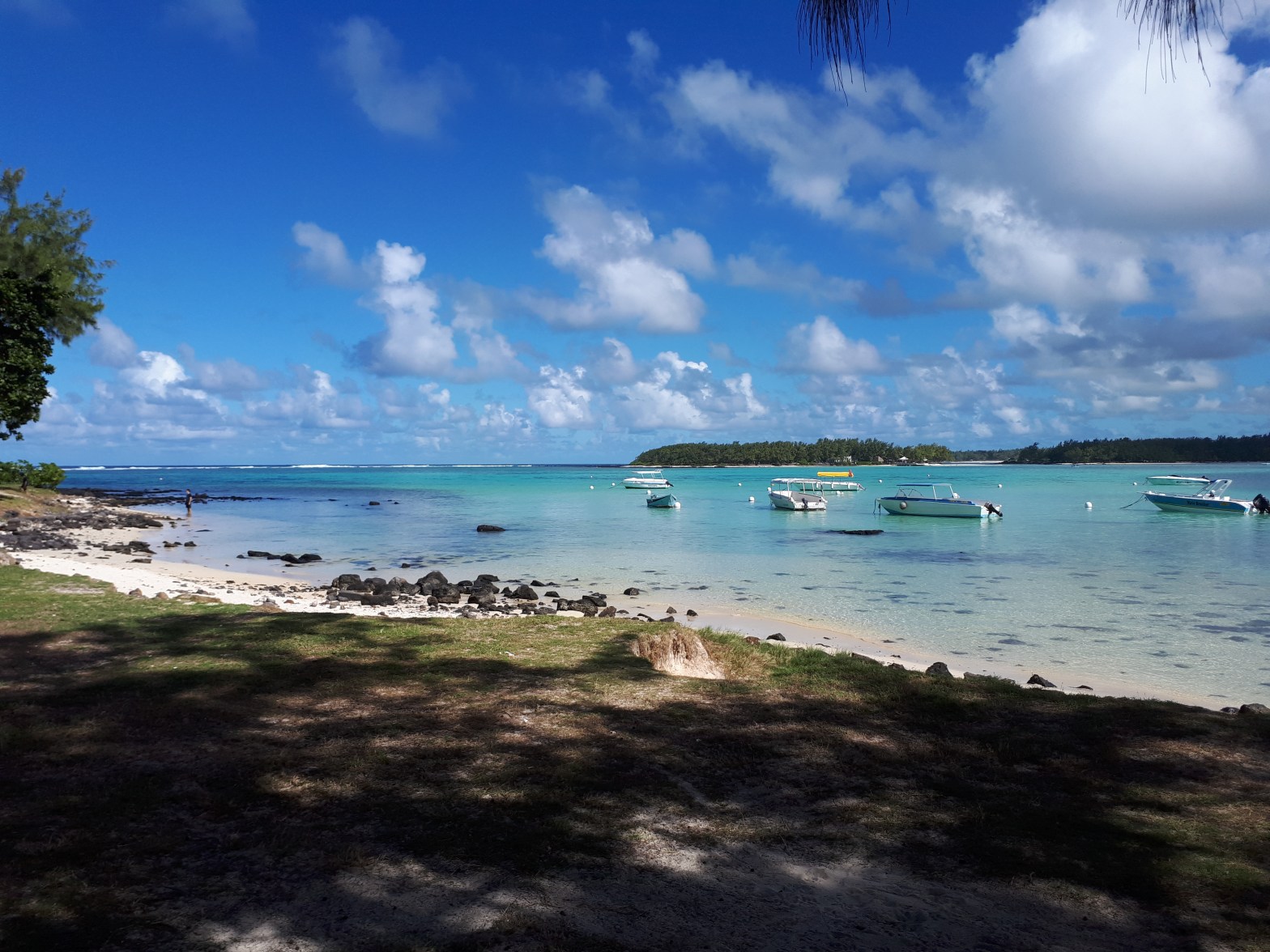
A catastrophe for conservation is unfolding in Mauritius, as 4,000 tonnes of oil spills into the beautiful coral reefs that surround the island nation, as reported by the Evening Standard.
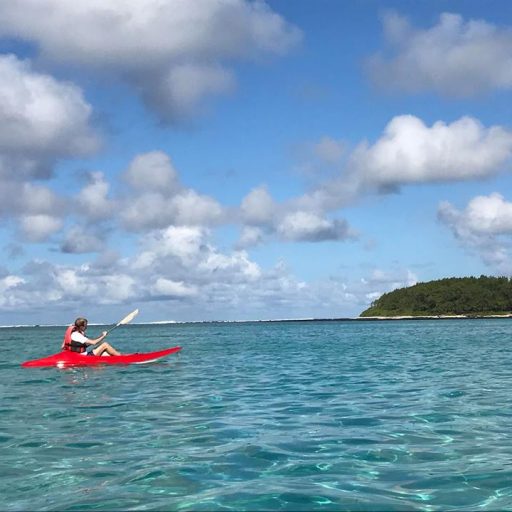
On the 25th of July the MV Wakashio, which was carrying nearly 4,000 tons of fuel when it struck part of Mauritius’ barrier reef off the Ile aux Aigrettes nature reserve. Now, on the 6th of August, this oil is leaking into the surrounding ocean, putting thousands of species at risk.
I am lucky enough to have visited Mauritius for two weeks back in 2018, where I volunteered as a research assistant with Lagon Bleu in the Blue Bay marine park. In fact it was my first real experience of going abroad by myself to get practical conservation experience and one I will treasure forever. Here I had the opportunity to study the marine park at witness its beautiful inhabitants. From swimming with Hawksbill sea turtles for the purpose of photo identification, to fish, sea grass and coral surveys on the marine park, it was truly an amazing experience to see one of the healthiest and largest reefs on the globe and many of its more than 3000 known species.
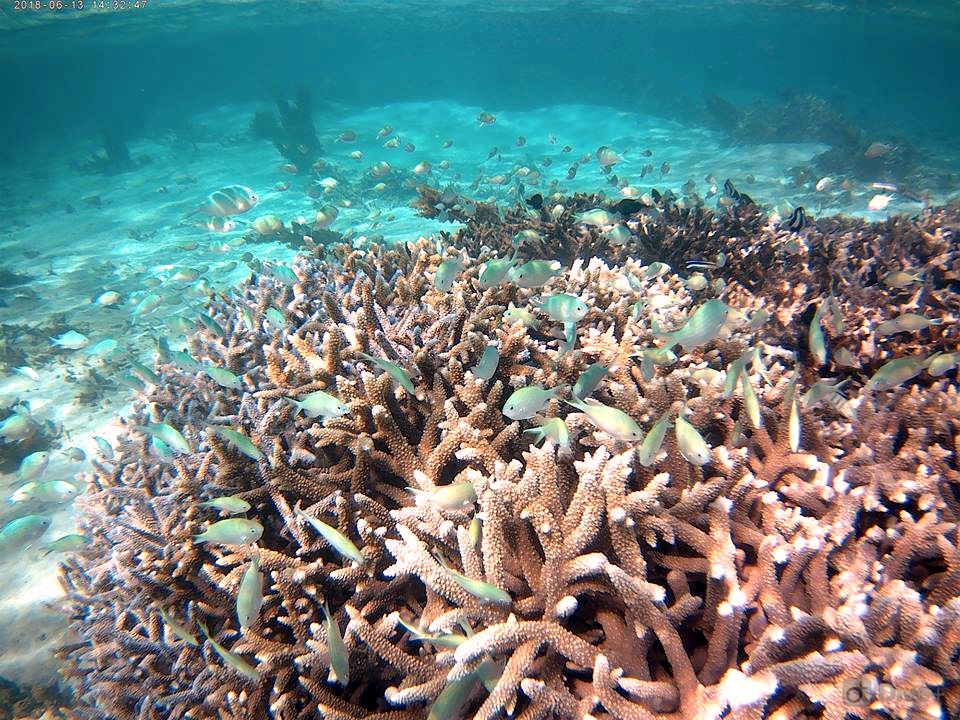
But now one of the ten largest coral reef systems in the world is desperately under-threat. It breaks my heart to know that somewhere that bought me so much joy and that has such great ecological importance is now dying as a result of human error. I have witnessed first-hand the incredible amount of work and dedication put in by NGOs (Non-Governmental Organisations) such as Lagon Bleu and Eco-Sud in the local area to keep the reefs in good health. Despite the pressure from tourism Mauritius has been doing excellent work to keep its reefs safe by applying rules on fishing and implementing the 350+ hectare Blue Bay marine protected area, which has helped keep its reefs comparatively healthy to those owned by other surrounding island nations.
It is devastating to think all this hard work could now be undone.

Oil has the ability to kill any sea creature in its path. In Mauritius, for example, sea birds are prevalent, with many species endemic to this area of the Indian ocean (found nowhere else on the planet). Oil will destroy the insulating capability of a bird’s feathers, without this ability birds cannot insulate and will die of hypothermia. Sea turtles, such as the critically endangered Hawksbill, that relies on this unique habitat, can become trapped in oil or injest it, poisoning them. When the oil mixes with the water fish species will experience reduced growth, enlarged livers, changes in heart and respiration rates, fin erosion, and reproduction impairment (Ocean Service). Fish eggs will also be poisoned.
Issues are not going to be limited to the sea however. The nature reserve at Ile aux Aigrettes, directly next to the carrier ship, is one the world’s only remaining pieces of “Mauritius Dry Coastal Forest”. It is home to many extremely rare indigenous (originating from this location) species, such as the Telfaris skink, several species of gecko and the Aldabra giant tortoise as well as many important flora (flower/plant) species.
It is, and will continue to be a catastrophe for the region, however the Mauritius government and NGOs, along with locals are doing all they can with their limited resources to try to limit its impact.
Dozens of baby tortoises and plants have already been moved from Ile aux Aigrettes, while the nearby French owned Reunion island has stated that it will be sending a military transport aircraft and navy vessel with pollution control equipment.

Local agencies have also been running a somewhat strange sounding initiative for locals to donate their hair to help with the creation of buoys in the hope that this will absorb some of the oil spill.
Sea booms (barriers in the water) have also been put in place to try and contain the leak but there is global criticism of local authorities with many asking why they did not act faster.
The Japanese ship actually struck the reef on July 25th but authorities seemingly did not act to re-float the ship, or drain the cargo, to prevent a spill. The government claims that Mauritius does not have the capability to re-float a ship, having never experienced an oil spill on this scale before, however it could be assumed that the possibility to request fast and effective help from more developed countries could have been arranged, such as that only now being deployed by French owned Reunion.
If you would like to donate to help the cause you can visit this link: https://www.justgiving.com/crowdfunding/james-hatton-3?fbclid=IwAR0tG_zhNW_Nuz05C4Qu7nGWWHwn2RUx2ILC0MFMRsHJ5As0FGSAm-KzujU
 Jack's Conservation Blog