22nd July 2020
So after contacting the RSPB directly I got the opportunity to go and get involved with the Little Tern conservation project at Eccles-On-Sea, Norfolk, England.
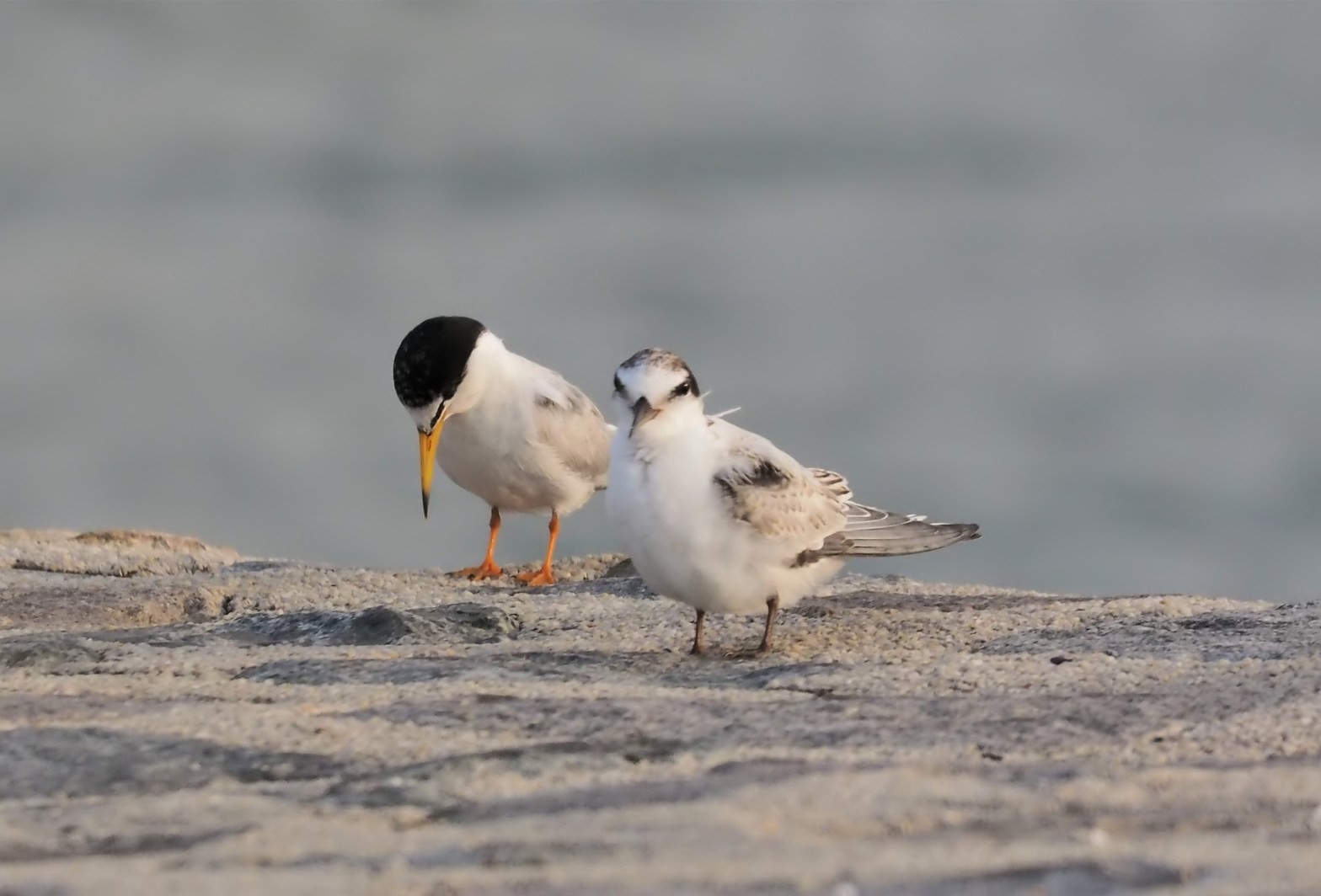
The Little terns are seasonal visitors to the Norfolk coast between April and September, where they come to nest on the seafront. The Little terns nest directly on the beach in breeding pairs. They don’t make much of a nest however, basically just creating a small dent in the sand to lay their 1-3 small speckled eggs. They nest all over the British isles, but in East Anglia they can mainly be found at Winterton, Eccles-on-sea and Kessingland. During the rest of the year they spend their time in West Africa. They are a small seabird with a wingspan of up to 60cm and a weight of between just 50-60g (roughly the same as a tennis ball).
Unfortunately due to Covid-19 restrictions I was unable to get involved with the project sooner this season, however I did get the chance to learn what it is all about and what it takes to protect this important species.
I was greeted at the Eccles site by the lovely Alice, the Little tern project officer for this season. I then got a tour around the large nesting site on the beach, which is protected from the public by two rows of fencing, one electric. This is to stop general nesting disturbance, but I also learned, to prevent the activity of egg poaching.
To my surprise collectors will apparently go and take eggs from the nesting sites for their personal collections, with Little tern eggs being especially desirable due to their rarity, with only around 1600 nesting pairs visiting the UK each year. They won’t just take one or two eggs however, they will take all that they can find in order to sell the excess. I might expect this in less developed countries where larger eggs may be a food source, but I found it shocking to think that people in my country would act in such a reckless way.
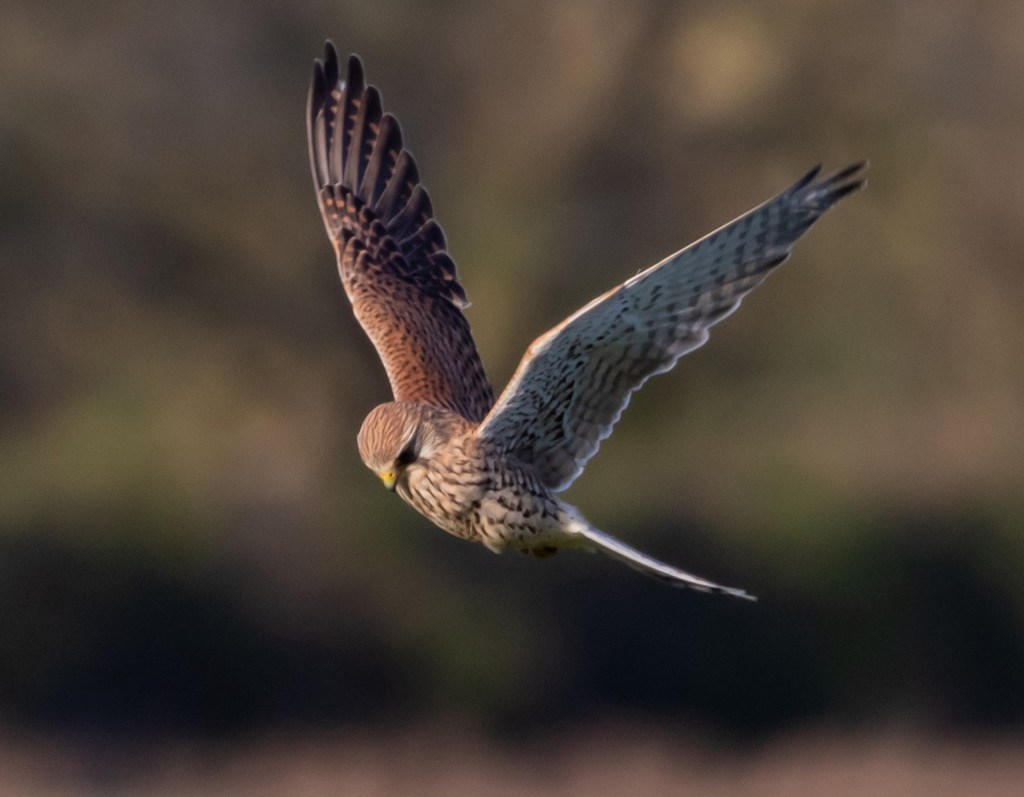
Predation (preying of one animal towards another, by a predator) is also a major issue for these rare sea birds. The British bird of prey, the Kestrel, is the main threat on this stretch of coast, but hobbys and the occasional Peregrine falcon also take huge numbers of Little tern chicks from the nests, in order to feed themselves and their own young. Being much bigger in size than the Little terns, there really is not much parents can do to protect their young.
The RSPB team work every year in order to protect these species from human and natural predation, fencing of nesting areas and installing feeding stations to try and persuade predators to eat from those rather than the nests. Alongside this, they are also recording a wide variety of data such as; number of adults, number of nests and number of successful fledglings (number to have hatched and grown sufficiently to fly for themselves), but to name a few. This data will be used by conservation scientists to analyse the threats to the birds, as well as monitor their numbers and the effectiveness of conservation actions, in the hope of improving the size of the population in the future.
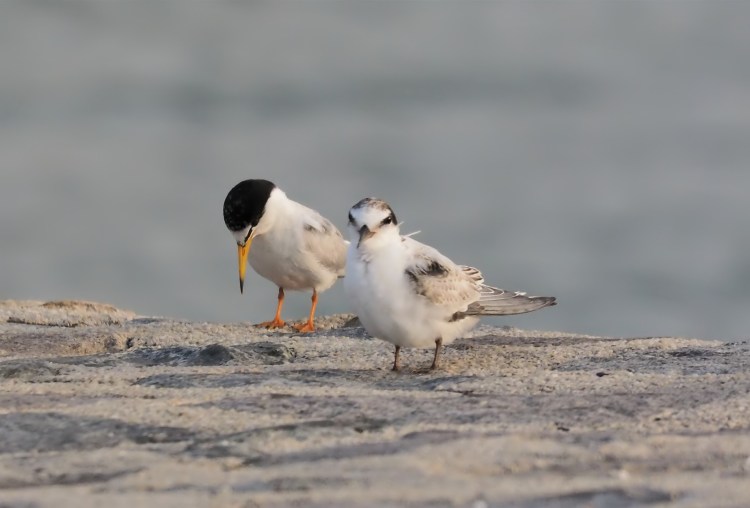
During my brief stint on the beach Alice showed me the hatching area and taught me a lot about Little terns and their behavior. We used binoculars to identify the location of birds and to record if they were rearing eggs or hatched chicks. Many of the birds were going out to sea, collecting glass and sand eels as well as young fish and feeding them to their young. This was amazing to see and something I had never witnessed with my own eyes rather than a T.V. screen. We even captured a video of the feeding and managed to get pooed on multiple times by angry parents!
Following on from this introduction into the work the RSPB do with Little terns, I hope to help more in the coming weeks. With the nesting season drawing to a close I may have to wait until next season to help with shifts on the reserves, but I am still hopeful of helping with take down of sites and maybe some marketing in the coming weeks, so stay tuned for updates!
If you would like to volunteer with the RSPB, on this project or others, you can visit their volunteer website here.
 Jack's Conservation Blog
One thought on “My Introduction to the RSPB Little Tern Project”