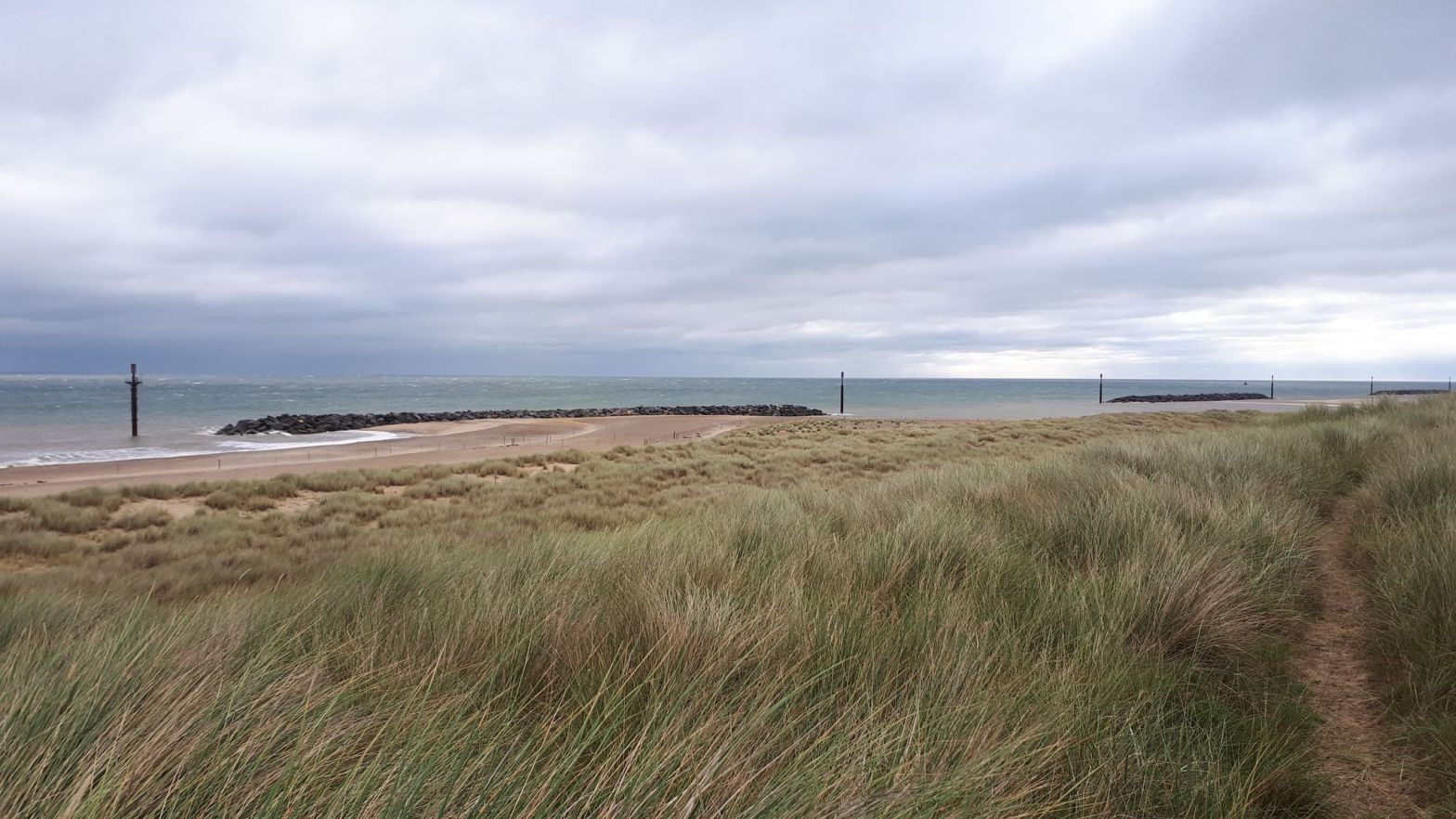
This week I had the opportunity to help out once again with the RSPB Little Tern project at Eccles-On-Sea, Norfolk. I hope this blog post will give you a detailed insight as to what a day working on a conservation site actually involves.
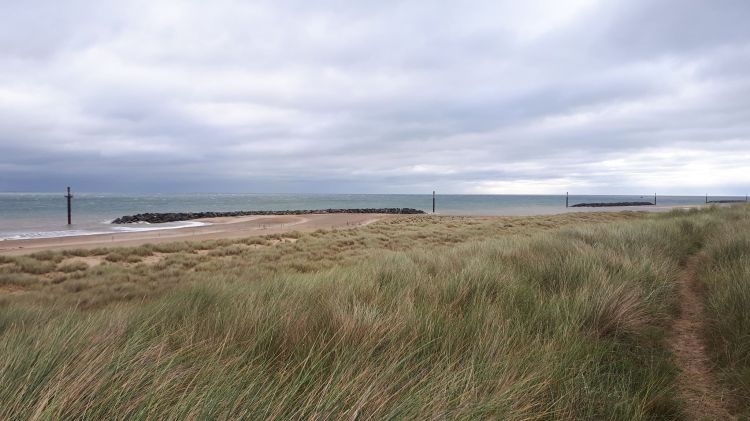
A few weeks ago I had the chance to visit the RSPB site and get some great insight into the project to conserve Norfolk’s Little Terns, which you can read about here. However, this week I had the chance to really get stuck in with some hands-on work, helping take down the project site at Eccles, following the end of the nesting season.
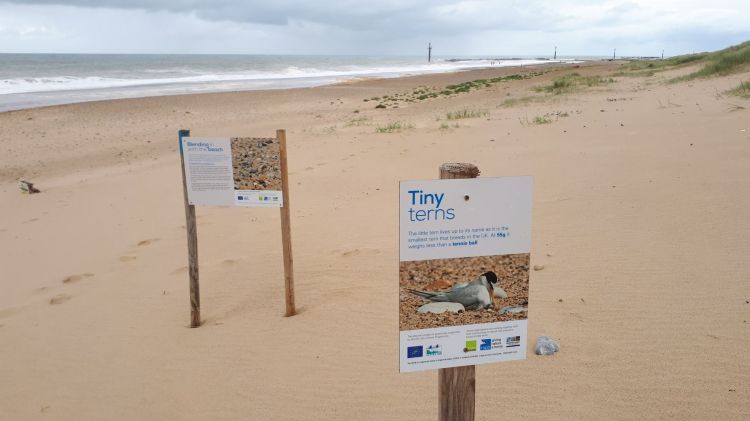
The day started bright and early at 8am, where I met up with, and introduced myself to the other 6-8 volunteers. There were two members of staff from the RSPB, Alice and George, both of whom were very friendly, welcoming and grateful for the help of all volunteers.
To start I was given the task of removing insulating rods from the electric fence, that were holding the wire in place around the site, such as to protect it from humans and predators during the nesting season. This involved using a power drill to unscrew these rods surrounding the perimeter.
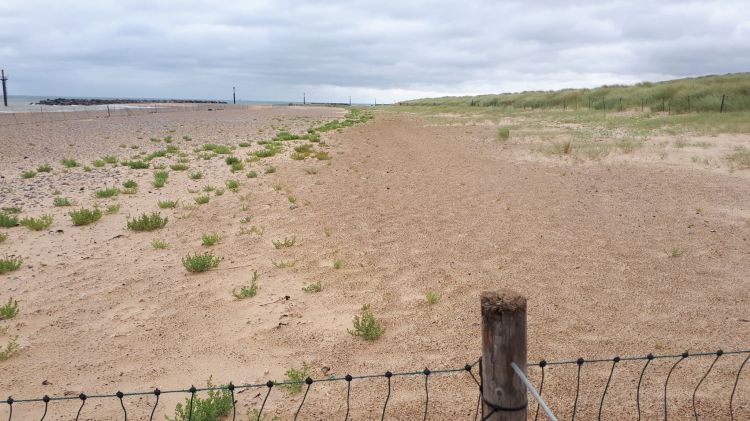
Following on from this I removed as many of the wooden posts and metal rods as possible, that were no longer connected to the fencing. We could then go round as a team and detach the netted fence from any remaining polls using a Stanley knife, carefully folding this up as we went to re-use in the future.
An outer perimeter of rope, that was used to keep the public as far from the site as possible, then had to be untied and wound up for collection, while nesting tubes used to provide shelter for the terns were also gathered.
Eventually all this equipment and fencing could be gathered up and collected by the on-site quad bike, which took a lot of time and effort, with the equipment being safely transferred to a nearby trailer.
After a long day, seeing the beach clear, I felt a great sense of achievement and self-worth having helped on such an important conservation project. All the other volunteers I met were very friendly and it was nice to meet a few like minded people, gaining some camaraderie by working together as a team. The volunteers also covered a large age range, so volunteering with the RSPB is suitable for all ages!

I hope this has offered some detailed insight into what a working day with a conservation agency involves. Clearly it is a lot of physical, hands on work, so it may not be for everyone, but i definitely recommend giving it a go!
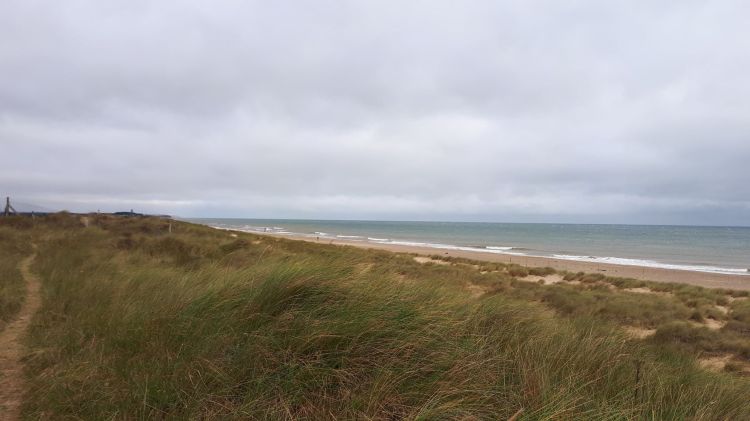
The day started at 8am and finished at 5pm, so it was a long day, but it was well worth it for the sense of achievement come the end of the day, having removed multiple kilometres worth of fencing, posts and netting.
This was a great chance to get hands on experience in conservation and I recommend it to anyone wishing to get a sense of pride, or looking to gain work experience in the conservation sector. Work such as this would be especially applicable to those looking to be wardens or field officers with a conservation organisation.
You can find volunteer projects on most conservation charity websites but if you want to get involved with the RSPB specifically you can visit their site here.
 Jack's Conservation Blog