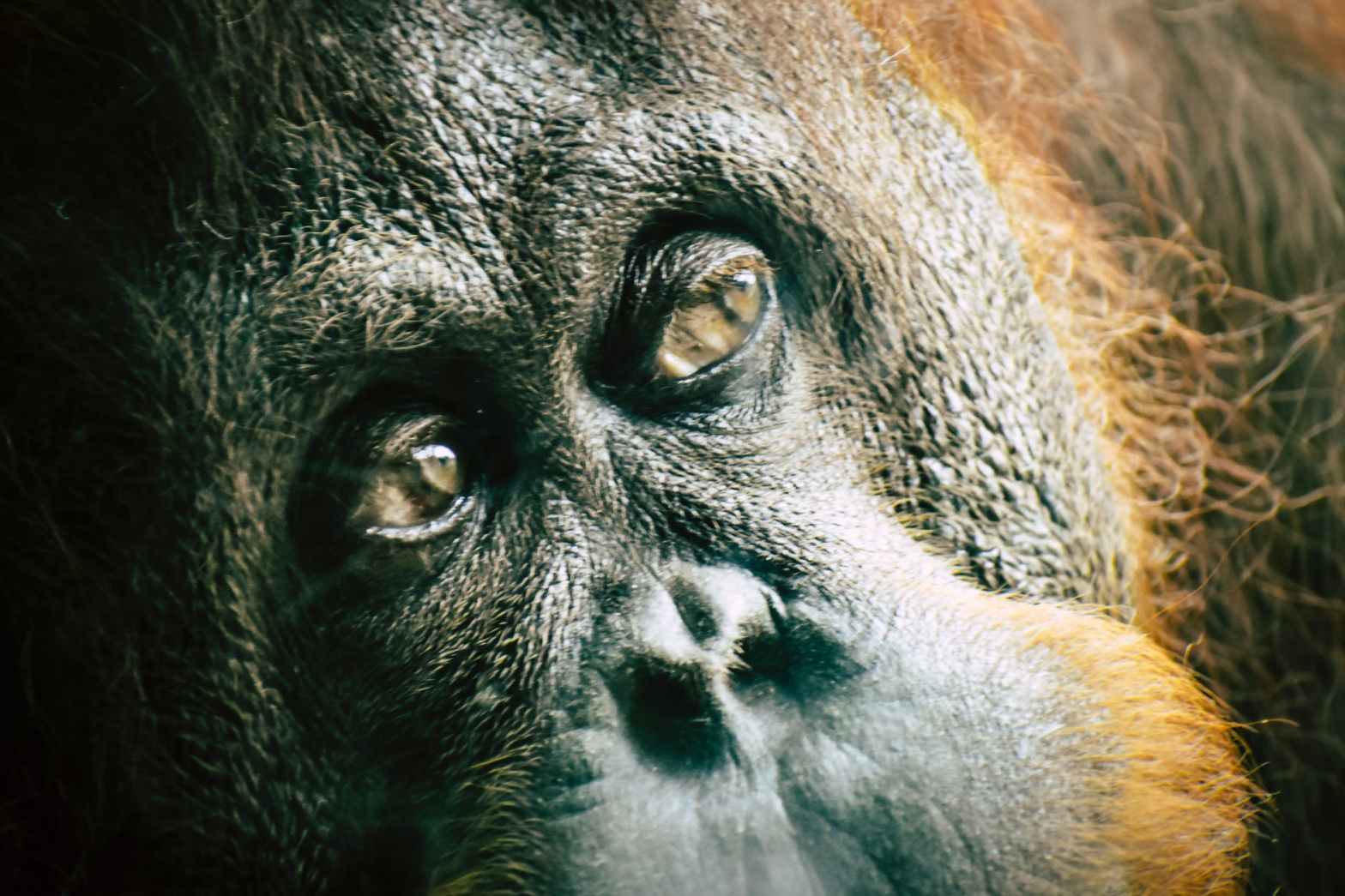
As first reported by Mongabay, an Indonesian damming development is refusing to allow for an impact assessment to be conducted, to assess the effects the build will have on local Orangutan populations.
Orangutans are the largest arboreal (tree living) mammal on the planet and share a whopping 96.4% of their DNA with us! However, they are a critically endangered species and everything possible must be done to ensure what remains of their habitat is protected.
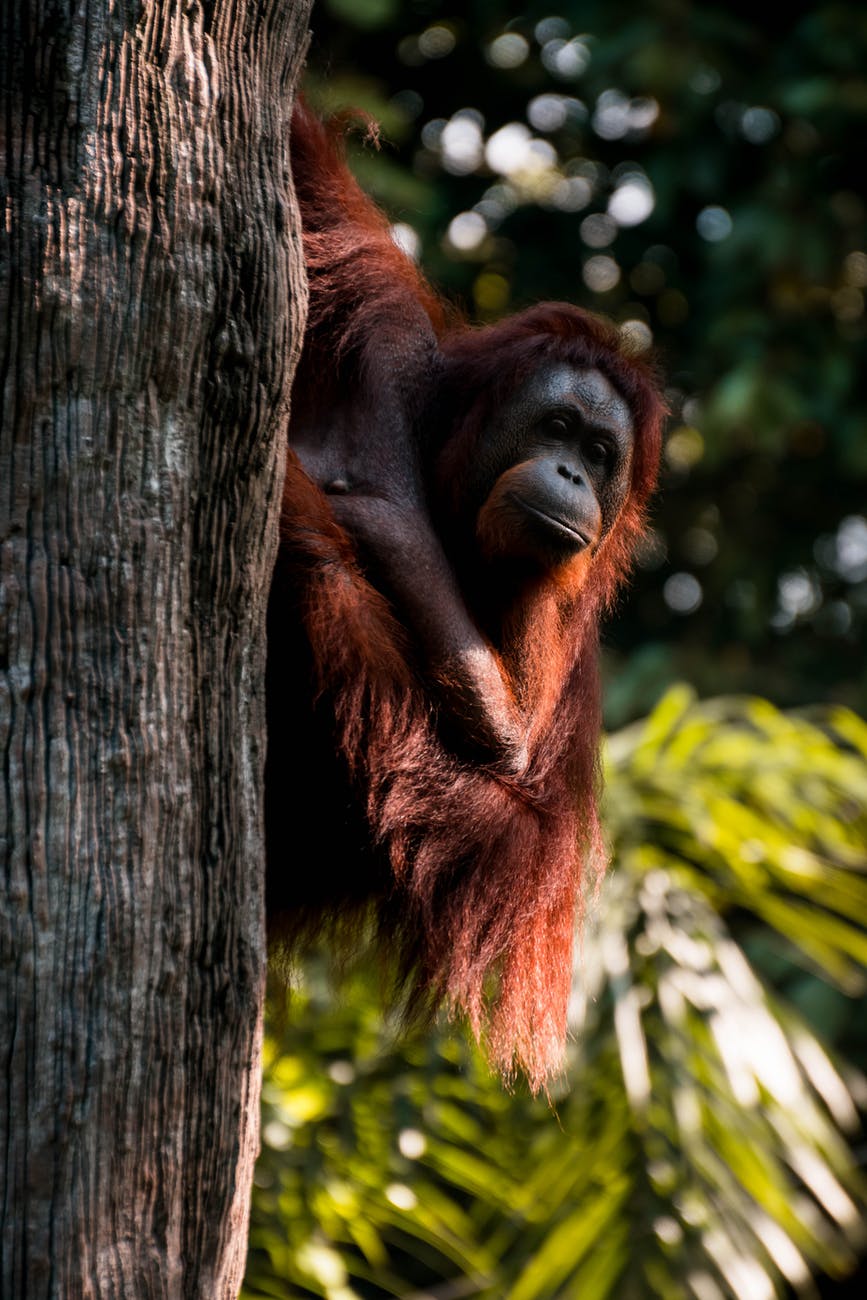
Unfortunately, the Orangutan’s natural habitat in Indonesia, has been consistently destroyed in recent history due to human activities such as logging and the desire for industrial development. As a result, a century ago there were approximately 230,000 Orangutans in total, but now this number has more than halved.
There are three species of Orangutan, the Bornean, Sumatran and most recently discovered Tapanuli which is estimated to have just 800 living individuals.
Clearly then it is paramount that we protect this endangered species. But, developers of a new hydroelectric power dam, PT North Sumatra Hydro Energy, claim there are already enough studies on the Batang Toru forest on Indonesia’s Sumatra Island, with no more assessments on the impact of the project therefore needed.
However, this area is where the newly discovered, critically endangered, Tapanuli Orangutan lives and as such it is vital that thorough, up-to-date, impact assessments are carried out to ensure that this species remains protected if this project goes ahead.

Impact assessments will allow conservation scientists to assess how the current project will affect the habitat of Orangutans, for example how much forest will be lost, will areas be flooded, are areas of important tree species still protected, is the forest remaining connected (not broken into small separated chunks) where possible?
Specifically the IUCN said the proposed independent study would be wide ranging, conducting a major four part study: “first a genetic study to determine the pattern of genetic diversity among the orangutan populations living on either side of the Batang Toru River, and how this would be affected by dam infrastructure. The second is a genetic study to determine recent population trends and whether the Tapanuli orangutan had until recently a much larger range. Third is improving estimates of the number of orangutans in all three known subpopulations. And finally, the study would have to quantify the various threats to the orangutans, such as habitat loss and killing.”
Government conversion zoning plans have allowed for the construction of this dam and a gold mine in the area, despite being important forested natural habitats for not only Orangutans, but also for a wide variety of other important tropical forest species.

The project developers have made a number of strange claims to try to push forward with the project without interuption. For example they claim that enough data has been collected for impact assessments, that there are only rubber trees in the area and that heavy machinery does not affect Orangutans, all of which the IUCN have found evidence to clearly disprove.
The IUCN argue that this should instead be a protected area due to its importance for global biodiversity, however it is clear that an impact assessment should at least be done in order to try and predict impacts and present these findings to try and alter or stop the project altogether if necessary, to ensure sufficient protection.

 Jack's Conservation Blog