Brazil has lost over 10% of its Pantanal (tropical wetland), after forest fires engulfed the Amazon rainforest. The Pantanal is the world’s largest tropical wetland, stretching across the borders of Brazil, Paraguay and Bolivia.
This amount of habitat loss from the Pantanal is a record for Brazil, but they only have themselves to blame after the fires, started by ranchers and farmers, got out of control.
The fires raged across a 7,861 square mile area between January and August, in the Pantanal, in southwest Brazil, according to an analysis conducted by NASA for The New York Times.
Initially these would have been started by ranchers and farmers to clear land, but the fires spread to this unprecedented extent due to the unusually dry conditions this area of Brazil is currently experiencing. Previously, the largest loss of tropical wetland in Brazil, occurred in 2005, when approximately 4,608 square miles was destroyed by fires during the same period.
Prolonged drought is having a devastating effect on the area, with the number of fires occurring in the Pantanal more than doubling so far this year compared to last, according to data from INPE, Brazil’s National Institute for Space Research. While 121 hotspots have been detected in federal conservation areas so far this year.
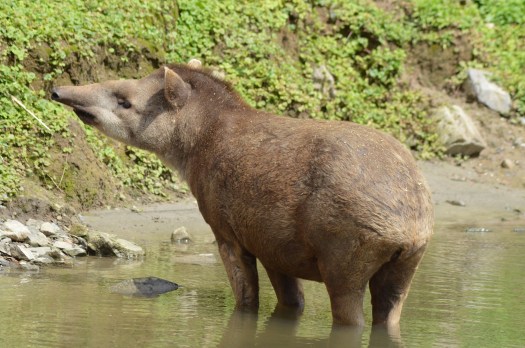
This issue needs international attention, which it has not been getting this year due to intense media coverage of the coronavirus pandemic. The Pantanal is home to a rich variety of plants and animals, providing habitat for species threatened with extinction, such as the tapir, capybara, jaguar, maned wolf, jabiru stork and hyacinth macaw. As a result, it is vitally important to protect it and international attention should be brought to its destruction.
This is the latest in a series of ecological crises that have unfolded under President Jair Bolsonaro, whose policies have prioritized economic development over anything else, especially environmental protection.
Some effort has been made however, after the government declared a 120-day prohibition (ban) on fires in the Amazon and the Pantanal. A military operation to prevent commercial deforestation, has also been put in place.
However, experts say these policies have been little more than attempts to improve public image, with little action actually being taken to protect the environment and improve conservation efforts.
Heroically, firefighters, local tourism professionals and volunteers have joined forces to try to combat the fires, however, they face an often hopeless task as the density of smoke in the air makes it impossible to douse the flames from aircraft.
The uniqueness of the Pantanal also poses difficulty when trying to combat fires, as reported by Mongabay. This is because, unlike typical forest fires (burning vegetation and trees) fires in the Pantanal tend to burn just below the surface of the earth, fueled by peat (tightly-packed and highly-combustible decomposed vegetation). These low-intensity fires can burn for longer and are often particularly difficult to extinguish.
This issue needs attention and international help if possible! If you want to find out more, or see the huge detrimental effect on wildlife this is having, search #AjudaPantanal on Twitter.


 Jack's Conservation Blog