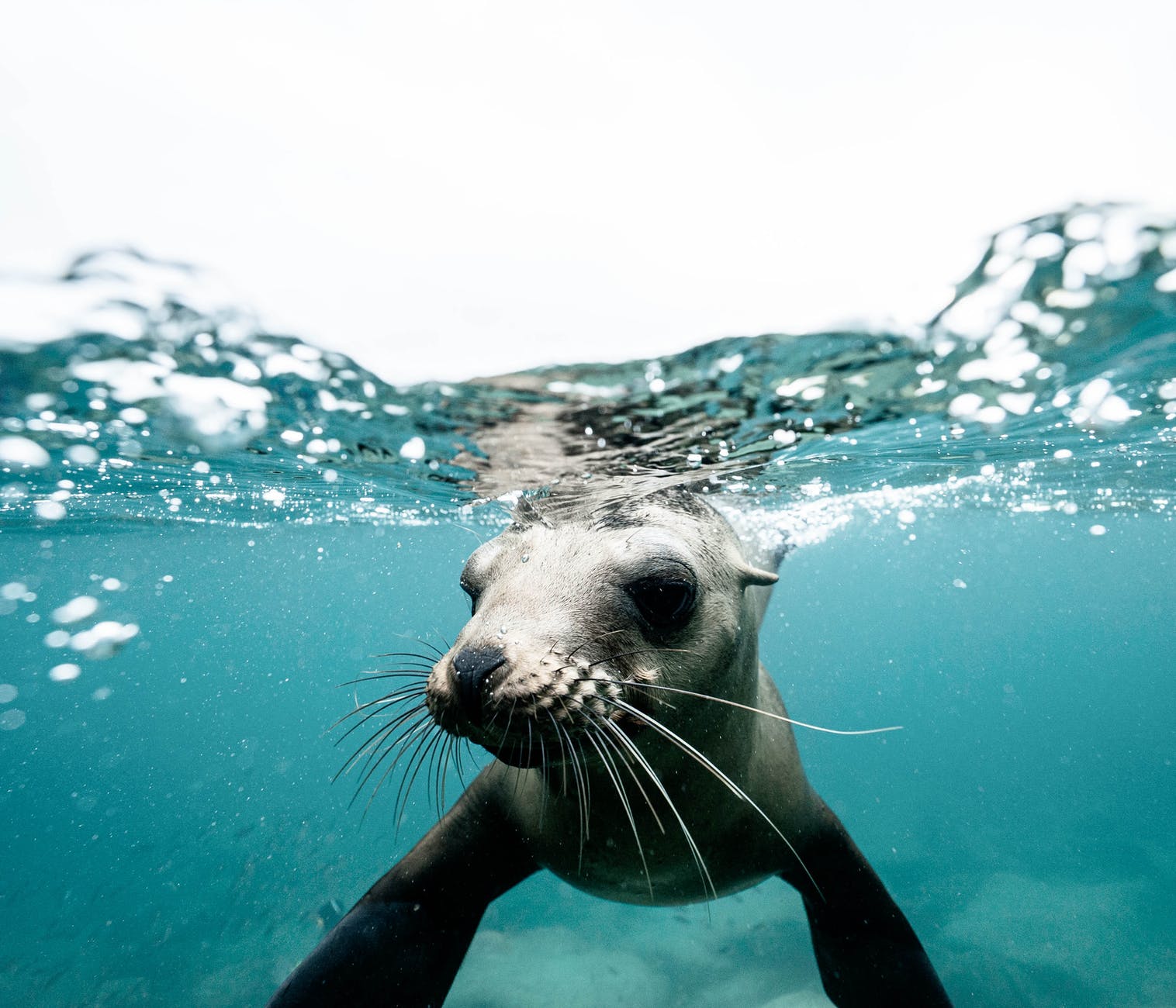
Tristan de Cunha, a remote chain of islands in the South Atlantic, almost three times the size of the UK, has been declared a Marine Protection Zone, creating a safe haven for its diverse array of fish, birds and mammals.
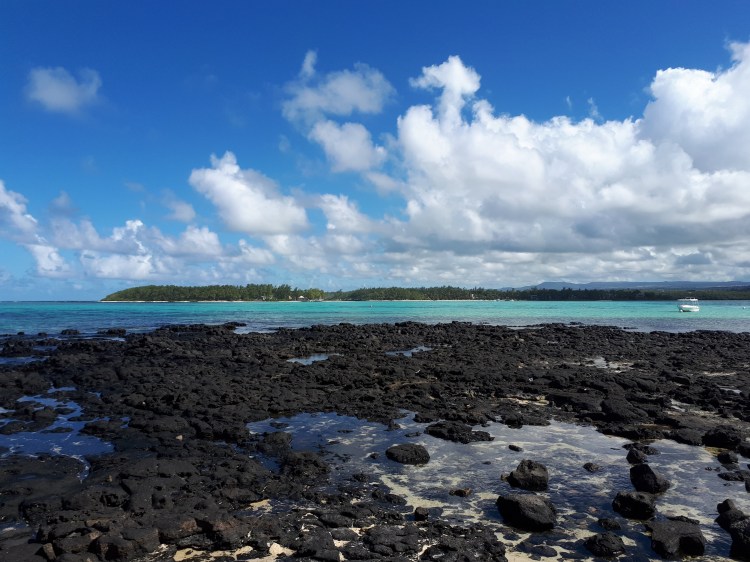
The UK overseas territory spans a whopping 687,247km2 of land and sea, and is incredibly remote, making it already somewhat of a safe haven for wildlife. Tristan da Cunha is 2,400km from the nearest land. As a result, it would take you longer to sail there from Cape Town, than it took Apollo 11 to reach the Moon, and that took 76 hours!

The announcement has come after a great deal of collaborative work from fantastic organisations and projects such as; the RSPB, BirldLife International, and UK Blue Belt government scheme. A statement by BirdLife read:
“The creation of the Marine Protection Zone is only possible thanks to the far-sighted leadership of the Tristan da Cunha Government and the support of an international partnership. The RSPB led work on the ground with the local community to enable their visionary decision-making, working with the UK Government Blue Belt Programme, National Geographic Pristine Seas and the Great British Oceans coalition. British Antarctic Survey, University of Plymouth and the Natural History Museum also provided key scientific support to the Tristan da Cunha Government.“

This new step in Tristan da Cunha’s protection will make the islands small population of around 200 people its guardians, with 90% of the marine area to become a complete “no-take zone”, where fishing and any other extractive activities are strictly limited.
Some credit has to be given to the UK government and its Blue Belt scheme. The UK has now protected 4.3 million square kilometre of the world’s oceans, with a positive and ambitious target to protect 30% of the world’s ocean by 2030.
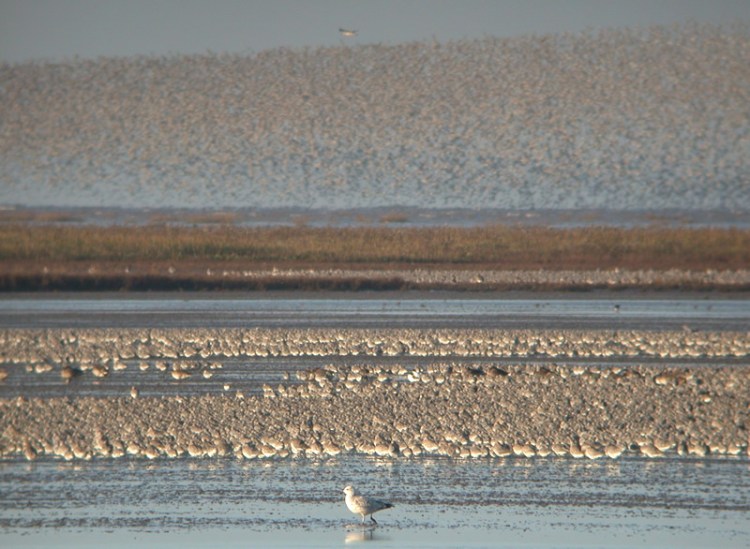
This announcement will help protect some of the amazing species that inhabit the island for generations to come. Tens of millions of seabirds, penguins, seals, threatened sharks and whales all call the island and its waters their home.
The Tristan Albatross (Critically Endangered), Atlantic Yellow-nosed Albatross and Atlantic Petrel (both Endangered), and the Spectacled Petrel (Vulnerable), all inhabit this island and are unique to the Tristan da Cuhna archipelago. One of the most important sites in the world for Albatross is also located on Gough Island within the archipelago, where an operation is also underway to remove invasive mice.
Furthermore, large fauna such as the Broad Sevengill Shark, Southern Right Whale, Fin Whale, Humpback Whale, Sperm Whale, Antarctic Minke Whale, Shepherd’s Beaked Whale, Pygmy Sperm Whale, Long-finned Pilot Whale, Killer Whale, Southern Right Whale Dolphin, Dusky Dolphin, Short-beaked Common Dolphin, Sub-antarctic Fur Seals, and Southern Elephant Seals all inhabit these islands and should receive excellent protection under the new scheme!

 Jack's Conservation Blog