
Kangaroos are one of Australia’s most iconic animals, but with its natural predator in decline, numbers are growing at an alarming rate, posing threats to conservation efforts across the country.
New research from the journal Global Ecology and Conservation suggests rising roo numbers means the marsupial is now doing more damage than rabbits in the country’s interior.
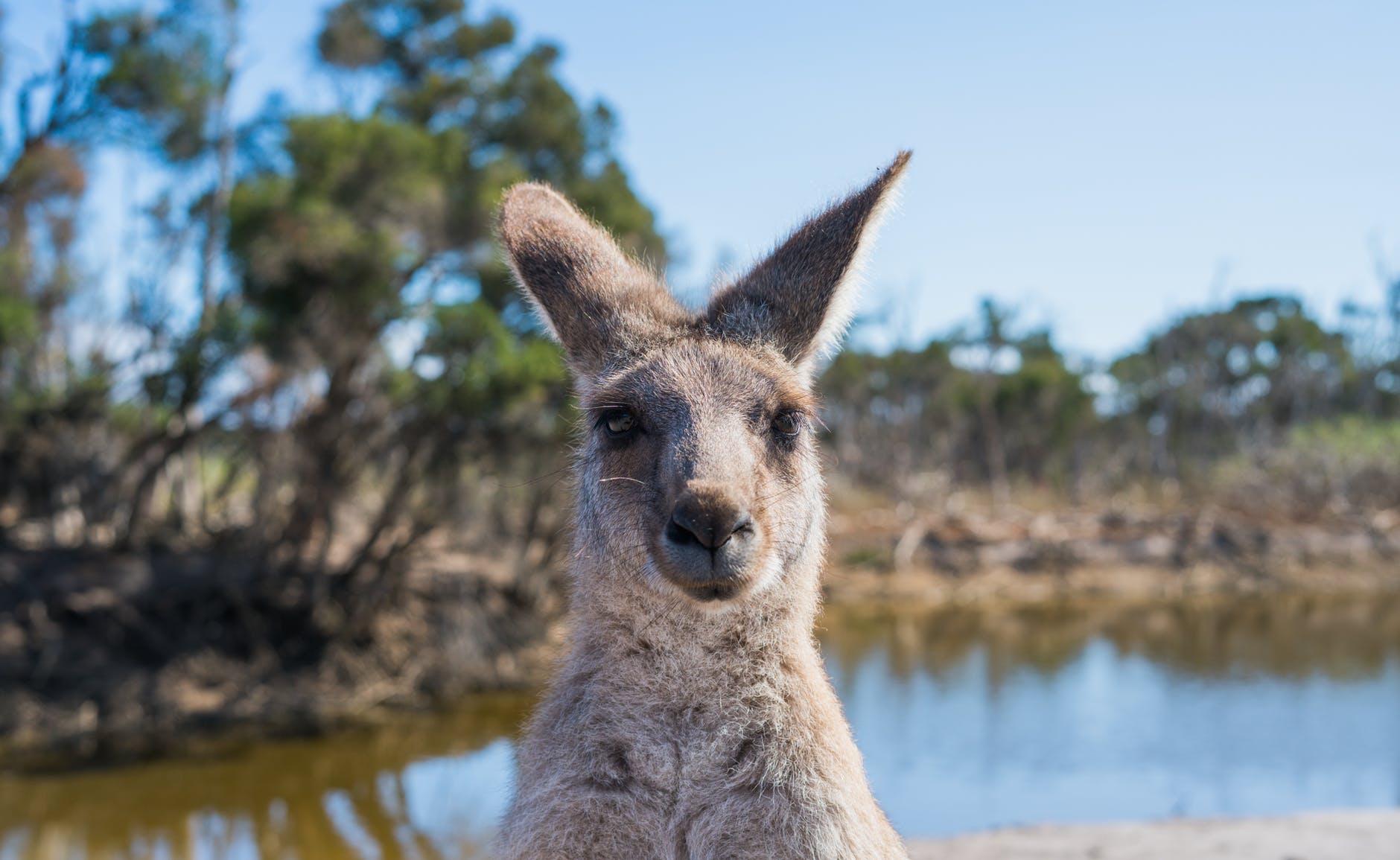
“There’s this perception out there that kangaroos are a native animal and because of that they can do no harm,” said Letnic, of the University of NSW, when speaking to The Guardian.
New experimental fencing had been put up in the Yathong conservation are, New South Wales, with the aim of keeping rabbits out. However, the lovable kangaroos, who can jump the fence, that posed more of a problem, as the ground inside the conservation area had still been nibbled and munched bare.
“It was completely denuded,” says Prof Mike Letnic. “It was like a moonscape.”
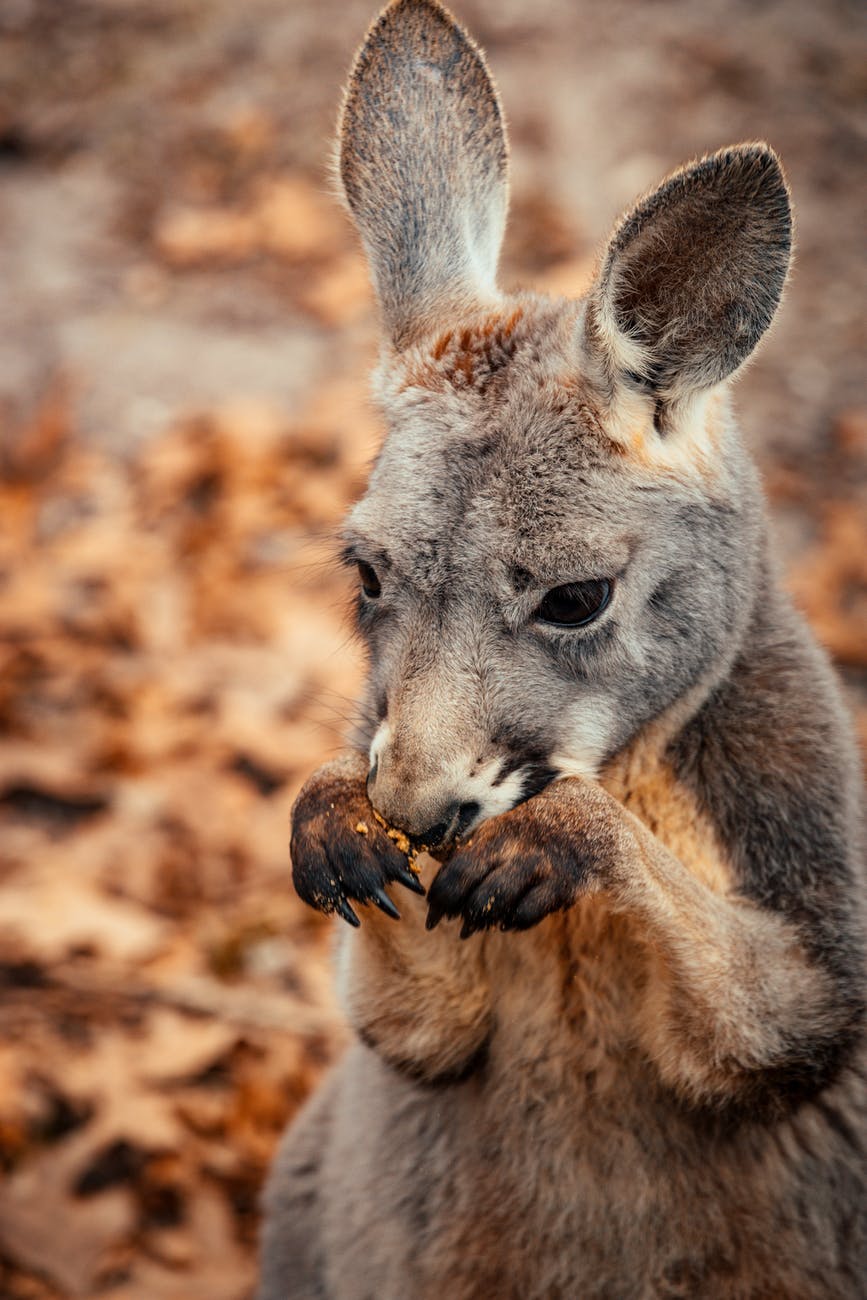
Historical culling of dingoes, the kangaroo’s natural predator, as well as the move to change land-use to livestock farming, has given kangaroos an massive new unnatural advantage, adding convenient watering holes and extra grass and removing predation threat.
This has led to greatly increased numbers of kangaroos across the country.
The new research study, looked at four conservation zones across NSW and Southern Australia. Areas were fenced off differently to try to exclude only rabbits, or only kangaroos, or both. This enabled researchers to compare impacts of rabbits and kangaroos on the conservation area’s vegetation and soil condition.
“Rabbits and other introduced herbivores like goats are often considered the main contributor to overgrazing in Australia, but we found kangaroos had a greater impact on the land, and on the grass in particular,” explained Dr Charlotte Mills.
This new research has brought to light the worrying trend for areas of Australia’s semi-arid interior that is being protected for conservation.
“Overwhelmingly the effects we saw were the effects of kangaroos,”explained Letnic. The study showed areas open to kangaroos had less vegetation, fewer plant species and poorer, more compacted soils. Rabbits also had a negative, but less serious impact.
The study suggests the problem is likely to be widespread across Australia and that grazing by kangaroos “may jeopardise conservation efforts across a large region of semi-arid Australia”.
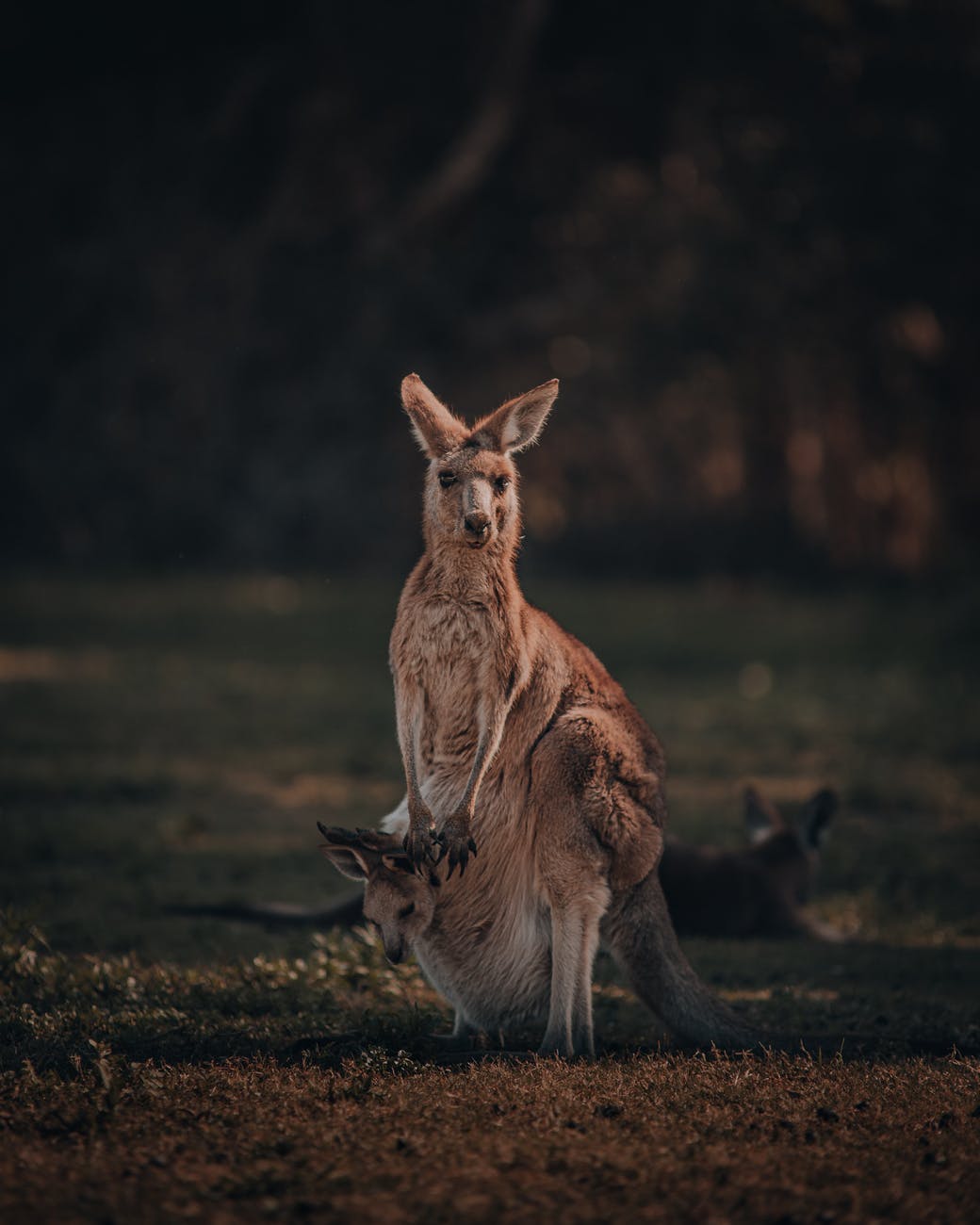
Graeme Finlayson is a rangelands ecologist at Bush Heritage Australia, which manages a 63,000 hectare reserve included in the study in South Australia. “There’s areas that should have had native grasses, but it was just dirt, grasses are important for the native species that we’re trying to protect,” he says.
Species such as the native plains-wanderer, a rare bird that relies on grass for food and shelter from predators, are very at risk due to these changes. A large range of species rely on the grasses for food and shelter and as such if the problem is not controlled many species could be at risk.
It is estimated that there could be a staggering 43m kangaroos in Western Australia, NSW, Queensland and South Australia. As part of the study, researchers found densities of kangaroos in the conservation areas were as high as 145 animals per sq km!
Clearly then something needs to be done. From the outside looking in the best way would be to re-introduce the natural predators; the dingoe. However, the country is yet to find a way for dingoes and farmers to live in harmony and as such has resorted to setting quotas for kangaroo culling.
Furthermore, event his controversial strategy does not seem to be effective. In 2019, for example, the government data shows a quota of 6.2m kangaroos was set to be killed for the leather an meat industry, but just 1.57m were harvested.
This isn’t a problem unique to Australia, killing native predators always has knock on effects on ecosystem food chains. For example, the killing of sharks has led to booming squid numbers across many parts of the world’s ocean and the killing of wolves in North America and parts of Europe helped deer populations to grow. Maybe one day we will learn from these mistakes.

 Jack's Conservation Blog