
There has been a general consensus in the media that despite all the negatives that surround the Covid-19 pandemic and the consequential lock-downs, that the environment has benefited. However, this may not actually be the case, according to new data.
You may have heard how our increased time indoors has drastically reduced our time driving, resulting in a reduction in our pumping of CO2 emissions into the atmosphere. This is true and undoubtedly a silver lining to the otherwise depressing state of lock-down. Significant improvements in air quality in some of the world’s largest cities have been seen, while water and noise pollution will have also decreased as a result of lock-down in residential areas.
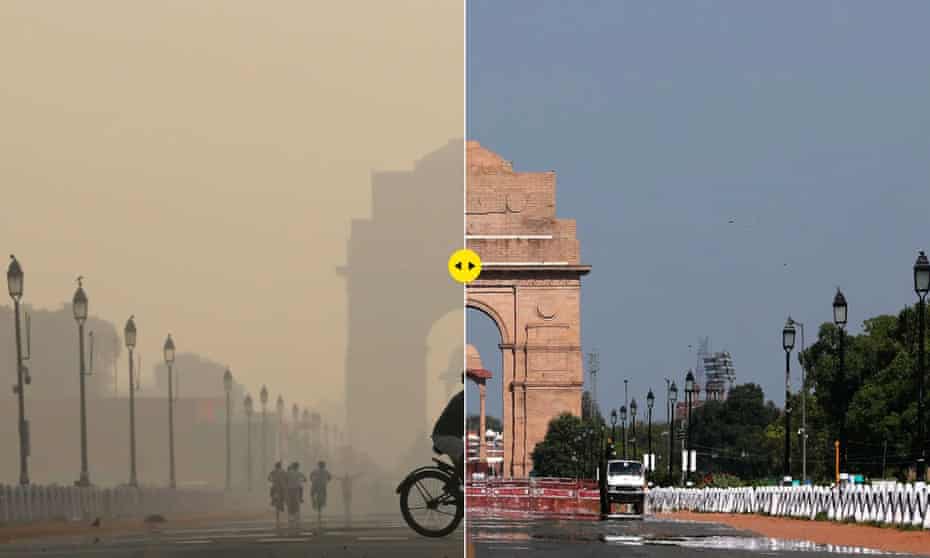
The restrictions on personal movement have also lessened travel and the resulting damage holiday makers do, both via travel emissions, as well as the destruction of natural environments that holiday makers tend to leave in their wake.
So this all sounds good, right? Well in terms of climate change mitigation it is, but in terms of conservation efforts the IUCN claim that the pandemic has had a detrimental impact.
Covid-19 and it’s resulting lock-downs, have had a massive economic impact around the globe and this is why conservation organisations have struggled.

With a lack of funding from external agencies, conservation projects around the globe have either had to significantly reduce or cease operations, in many cases. This has included job losses among protected area rangers, reduced anti-poaching patrols and environmental protection rollbacks.
For example, in Africa, over half of its protected areas reported that they were forced to halt or reduce field patrols and anti-poaching operations as well as conservation education and outreach.
The report by the IUCN, found that in a survey of rangers in more than 60 countries, “more than one in four rangers had seen their salary reduced or delayed, while 20% reported that they had lost their jobs due to COVID-19-related budget cuts. Rangers from Central America and the Caribbean, South America, Africa and Asia were more strongly affected than their peers in Europe, North America and Oceania”.
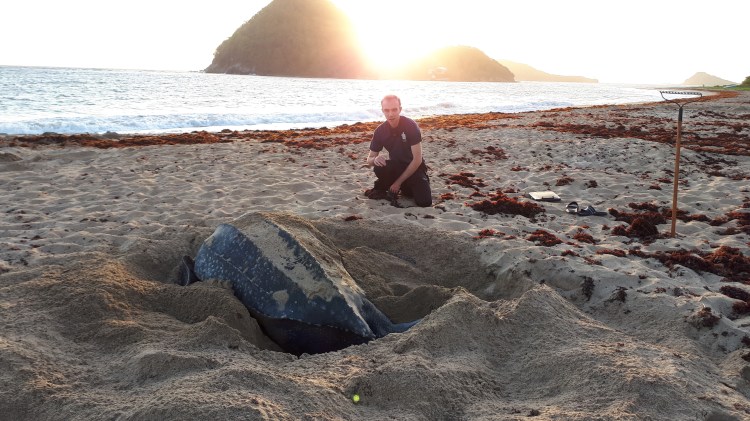
Furthermore, many conservation projects rely on volunteers from around the globe in order to carry out their research and environmental protection activities. Often these volunteers pay towards the opportunity to work with such agencies, providing vital funding. Travel restrictions imposed across a large portion of the globe, has meant these volunteers have been unable to join projects and as such many have struggled with the increased workload for on-site staff.
In addition to this negative impact there has also been a huge increase in medical waste, as a result of the greater demand on healthcare around the world. While pollution in the form of face masks has increased exponentially, further putting efforts to reduce plastic pollution of our oceans at risk.
“While the global health crisis remains priority, this new research reveals just how severe a toll the COVID-19 pandemic has taken on conservation efforts and on communities dedicated to protecting nature. Let us not forget that only by investing in healthy nature can we provide a solid basis for our recovery from the pandemic, and avoid future public health crises,” said IUCN Director General Dr Bruno Oberle.


 Jack's Conservation Blog