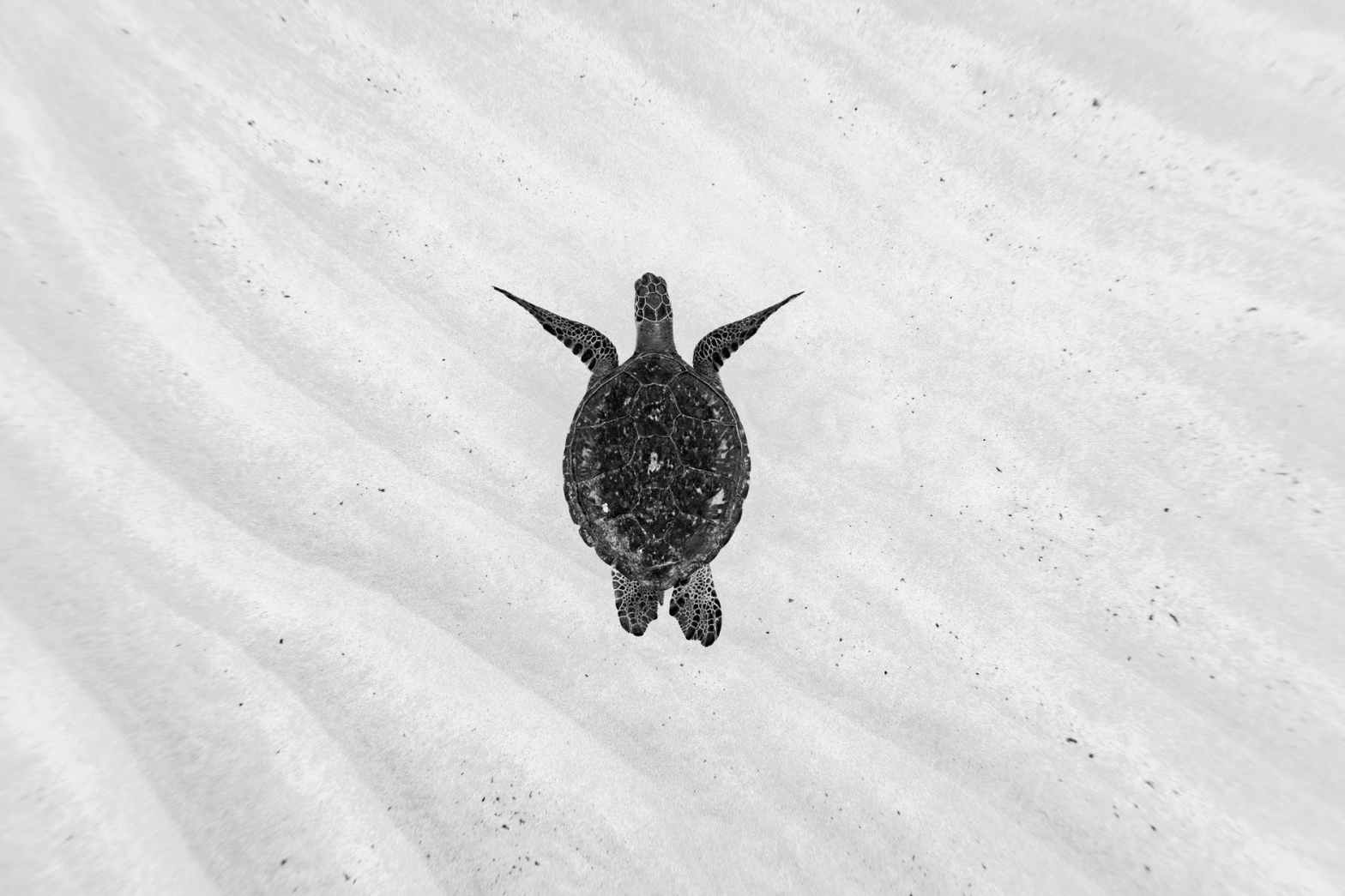
We are all aware now that our actions are having a negative impact on wildlife around the world, none more so than our marine sea creatures.
Sea turtles are probably one of the most talked about species when it comes to these negative impacts. For example, there was the recent cold stunning of thousands of sea turtles in Texas in the news, as a result of the extreme weather which could be attributed to climate change. Probably the most talked about issue is the ongoing plastic pollution crisis. Many turtles deaths and injuries have been attributed to micro plastic ingestion, or even the mistaking of plastic for food by some species.
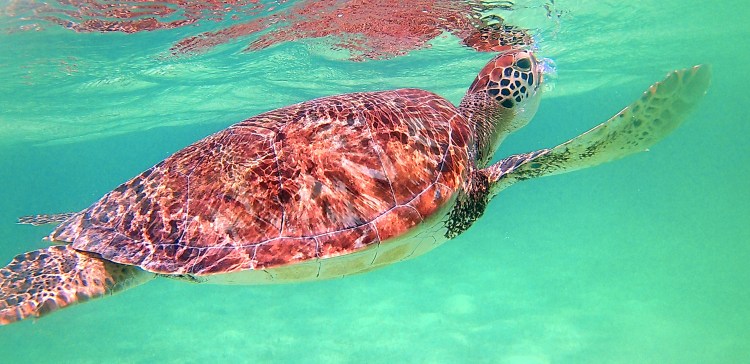
That may be bad enough, but there’s another hidden evil that humans are again to blame for, that is killing sea turtles around the world.
Fibropapillomatosis (FP) is a deadly disease that is linked to water pollution. It is generally found in turtles that inhabit polluted waters with poor circulation. However, more and more sea turtles from the open ocean are being found with the disease, due to our continued pollution of it.
FP is an infectious disease that can pass from species to species either directly or indirectly. Studies show that possible factors contributing to the spread of FP include: parasites, bacteria, environmental pollutants, UV-light, changing water temperatures and biotoxins – all commonly found in polluted waters.
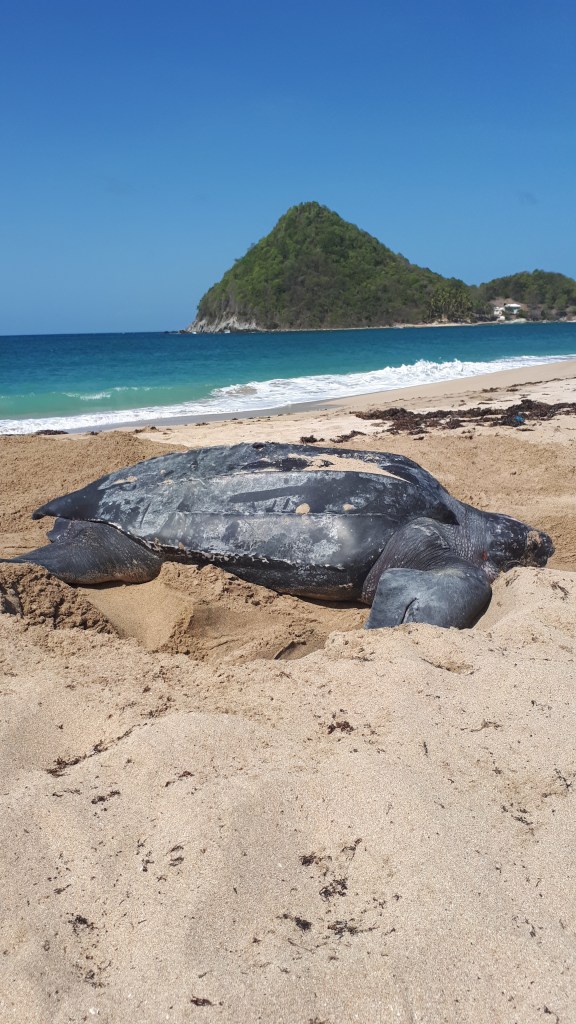
The disease is found most often in juvenile green turtles but is now being found in all other sea turtle species. It was also only thought to be contained to green turtles in Hawaii, but there have been reports in Brazil, The United States, Australia, and the Caribbean.
Turtles infected with FP develop tumours anywhere on their body that has soft tissue. This includes over their eyes, mouth, nose, and flippers. As you might expect these growths significantly compromise mobility, making it more difficult to catch food or evade predators. Furthermore, tumours over the eyes limit sight, which greatly affects their ability to feed, as do tumours in or near the mouth.
If that wasn’t enough, the growths can also be internal, infecting vital organs such as the lungs and stomach. All of these symptoms alone or in combination, can ultimately lead to starvation and even death.
The tumours can be benign and may regress over time, however. Although if you find a sea turtle on the beach or even struggling in the water with these growths, you should alert a veterinarian. If discovered in time, most often the tumours can be removed surgically to restore function to vital organs and flipper mobility!
Currently, there is no cure for this disease. The best way to prevent it from spreading is to reduce our pollution into the ocean.


 Jack's Conservation Blog
Your post is very nice
LikeLike