As we have touched on before the eastern coast of England is one of the few areas in the UK where saltmarshes are regularly found along the coastline.
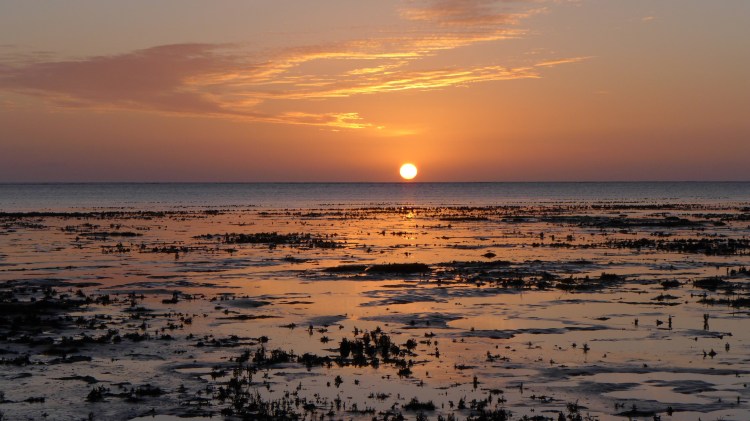
Saltmarsh generally occurs where the land meets the sea. As the ocean tide goes in and out, mud and other sediment are deposited in sheltered areas of the coast, which slowly builds up over time.
As the sediment builds up it provides nutrients for small plants to start to grow (called pioneer species in the scientific world). These plants start a chain reaction of growth. Their roots stabilise the sediment and allow the areas to collect more as a result. As the areas become more established larger plants, that are adapted to these salty (brackish) conditions can grow, eventually forming a saltmarsh habitat and wetland.
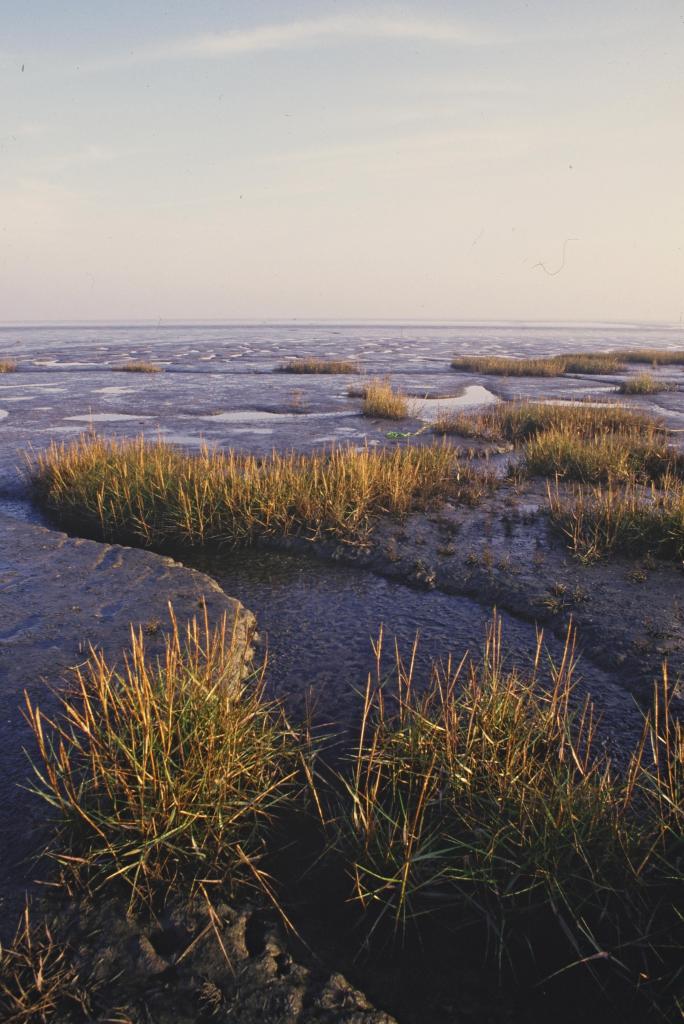
These areas are ‘marshy’ because of the fact they are made up of this soil, mud and sand, that has been built up over hundreds of years, creating deep mud and peat.
Peat is a thick sediment that is made of decomposing plant matter that is often several feet deep. As a result, it is waterlogged, root-filled, and very spongy, but that often means it is lacking in oxygen —a condition called hypoxia. Hypoxia is caused by the continued growth of tiny bacteria and produces a bad smell that is often associated with marshes and mud flats.
This peat and hypoxia may make it sound like saltmarshes could well be barren, smelly, wastelands! But in fact they not only hold a vast array of life, they also have an incredibly important role to play in our natural world.
The Important Role Saltmarsh Plays
These habitats are especially essential for healthy fisheries, wildlife, coastlines, communities, our economy and the fight against climate change.
Saltmarsh is the Fuel for Fisheries
For fisheries, they provide an incredible food source for all the fish and shellfish in our area, through the worms and microscopic creatures they attract. The narrow gullies and streams that run through them, as well as their root systems, provide a really key habitat for baby fish and crustaceans as well.
One example in the United States even suggests that saltmarshes provide essential food, refuge, or nursery habitat for more than 75 per cent of USA fisheries species, including shrimp, crab, and fish. Considering their extent and range across the UK and the fact that we don’t have comparable mangrove-type ecosystems for fishery nursery grounds this could even be a more important habitat to UK marine and coastal wildlife.
This in turn feeds the local communities that rely on this food source and fuels the local economies that fish in and around saltmarsh.
Communities and Economies rely on Saltmarsh
Local communities and economies, also benefit from the role saltmarsh plays in protecting coastal areas from flooding. During flood events, they provide a buffer, reducing the strength of the incoming water and the impact of erosion.
In some places in the UK, it has been argued that by allowing erosion to happen and for saltmarsh to form, you are creating a more long-term coastal sea defence. This has already been done successfully in some locations if you’d like to learn more.
Saltmarshes also act like giant sponges, absorbing and cleaning run-off (excess chemicals that escape farmland) from farms, taking out herbicides, pesticides and heavy metals, as well as excess sediments and nutrients. This not only improves water quality for people, in certain places around the globe but also makes the habitat cleaner in and out of water for a range of nature and wildlife.
Climate Change and the Saltmarsh Sink
You often hear about how vital it is that we keep our rainforests and woodlands, but saltmarshes are, in fact, one of our most effective weapons in the fight against climate change. They act as giant ‘carbon sinks’ and can be very efficient at locking away carbon.
So what does this mean and how do they do this?
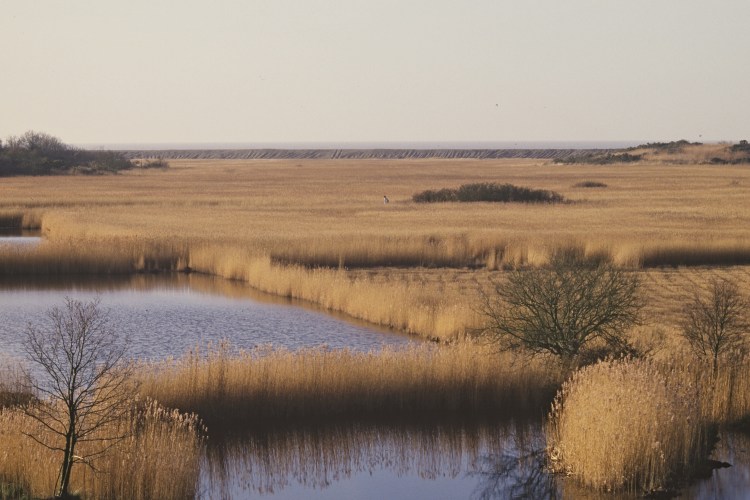
A carbon sink is a natural environment viewed in terms of its ability to absorb carbon dioxide from the atmosphere. This makes these places incredibly important for fighting climate change as high carbon dioxide levels are one of the driving forces behind it.
Every day on saltmarshes, carbon in the form of sediment is brought in with the rising high tide. When this sediment gets deposited and eventually buried in the marsh, the carbon gets trapped in the mud and beneath the surface, stopping it from escaping. In addition, when saltmarsh plants die, rather than decomposing as they would in normal soil, the plants become buried in the mud which stops them from releasing their carbon into the atmosphere.
As sea levels rise, and more and more high tides bring more and more sediment, layers get buried and more of this ‘blue carbon’ gets locked beneath the mud. Blue carbon is the carbon captured by the world’s oceans.
Saltmarsh Survival Threats
Our continued thirst for more and more land and more productive farmland has seen saltmarshes being drained and ‘reclaimed’ from the sea. We’ve drained them for farms, cities, housing estates, you name it we have probably drained some saltmarsh for it!
Although we now know it helps combat it, saltmarshes and the wildlife that live there are also threatened by climate change.
Globally, rising sea levels are causing the loss of saltmarsh as they cannot be continuously submerged. Plus, increasingly frequent and damaging storms are also removing areas of saltmarsh across the globe.
Saltmarsh Wildlife in The Wash
As is a reoccurring theme, some of the best examples of this habitat occur in The Wash. The marshes along this stretch of coast create the largest single area of this type of vegetation in the UK.
The Wash Saltmarsh Fisheries Species

From digging for bait in the form of worms and small fish to fishing up the catch of fish or crustaceans, this is vitally important to local economies and communities, but it also provides food for a host of wildlife.
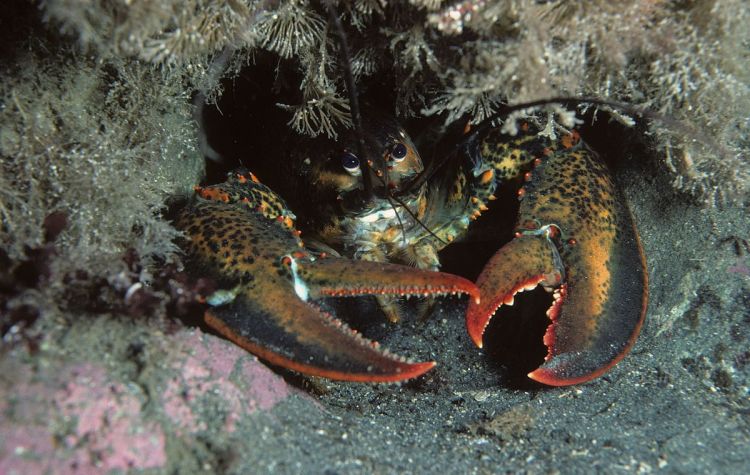
The host of worms is similar to those found in the nearby mudflats, while crab and shrimp are some of the key other species you may find hiding out in the pools and gullies on the fringes of saltmarsh.
The fish will usually be small babies (fry) that have recently hatched although bass, flounder, eels and mullet can often be found nearby or when using these grounds for spawning.
Molluscs such as clams, oysters, mussels and cockles may also be found here, all of which form important food sources for birds and mammals.
The Wash Saltmarsh Plants
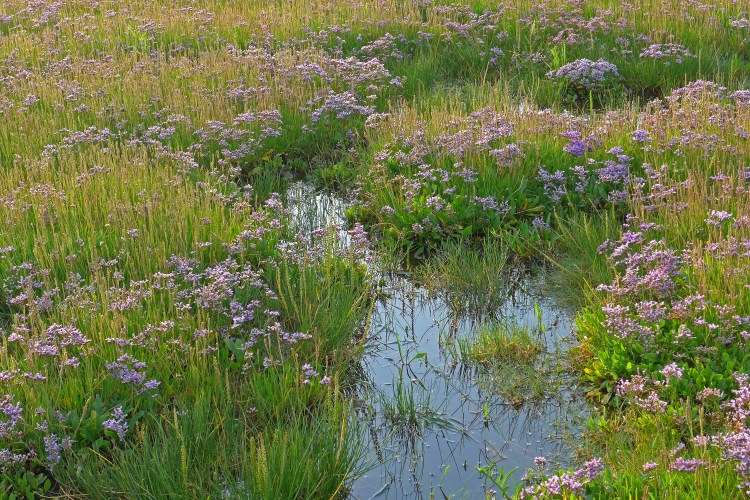
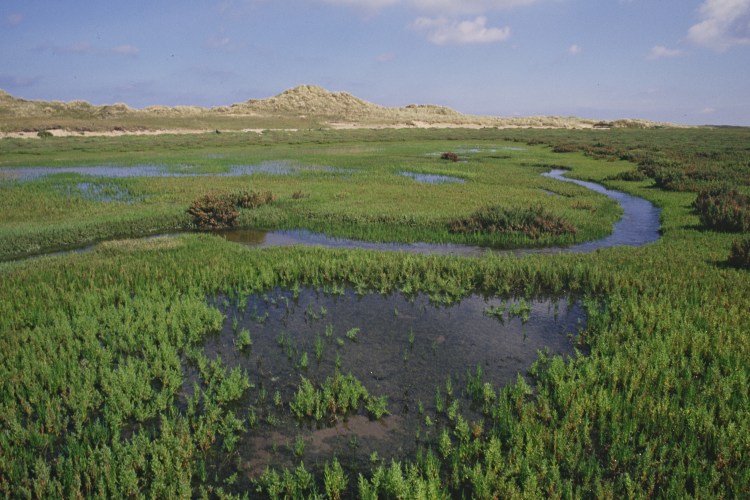
The plants found in The Wash saltmarsh tend to be dominated by annuals (those that complete their life cycle within a single growing season) that can survive in mud and sand. Sea lavenders are one species particularly abundant here, with the vegetation dominated by the cover of scattered bushes of shrubby sea-blite and sea-purslane.
The marsh also transitions to freshwater reed swamps, sand dunes, and shingle beaches, which have their own unique plant life, further showing the diversity of habitats at this site.
This site has both the extensive ungrazed saltmarshes and the contrasting, traditionally grazed saltmarshes (grazed by livestock). This creates contrasting plant communities across the site making this one of the best places in the UK for plant species diversity, making it amongst the most important in Europe.
The Wash Saltmarsh Birds
Saltmarshes are important for a huge array of birds in The Wash. Birds like egrets, dunlin, swans and spoonbills use the high grasses as cover in which to raise their young.
Other birds use saltmarshes more as a food source. Long-billed wading birds, like herons, bitterns and curlews, have specially adapted long bills with ends that can bend and search the mud, using mini sensors to pick up movements from fish, crustaceans, amphibians and molluscs, really whatever they fancy for dinner!
The Wash Saltmarsh Mammals
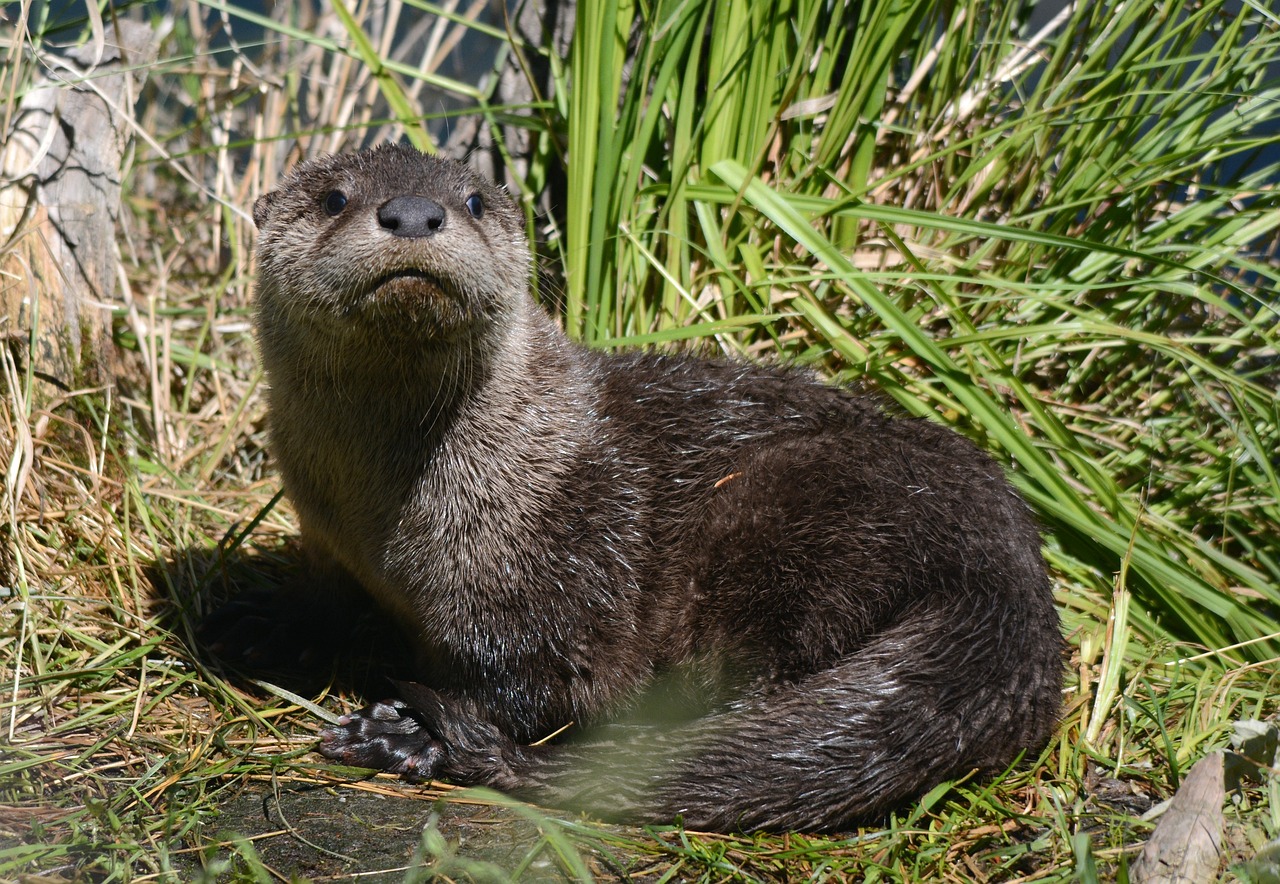
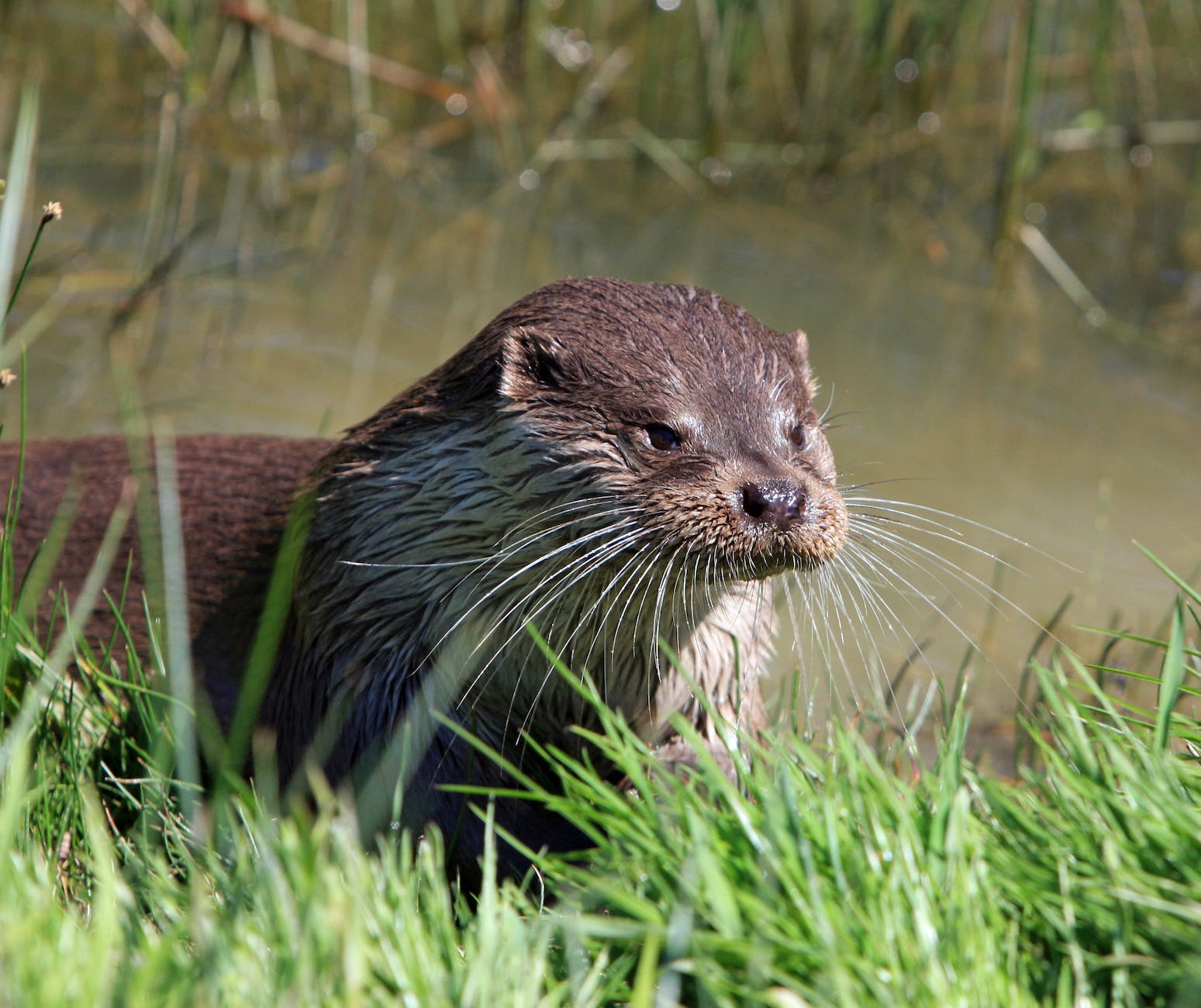
Otters are one of everyone’s favourite British creatures and saltmarsh is one of their favourite habitats in The Wash for feeding. They love all the small fish, crustaceans, molluscs and amphibians the saltmarsh holds for food. They do need fresh water so tend to more towards the back of the marsh in the river systems when breeding.
Deers like Muntjac and Chinese water deer may also be seen grazing in the upper areas where plant cover is greater. Rabbits, hares, and an array of rodents also love these areas, which of course also attracts the odd wiley fox!
Learn more about Saltmarsh in The Wash
Next year a new documentary will take place on The Wash where saltmarsh is one of the many habitats that has a starring role. You can follow its creation at @turningtidesbts on Instagram and TikTok.
Disclaimer: All views put forward in my blogs are my own opinion and not in any way linked to Organisations or Companies I have, or currently work for.

 Jack's Conservation Blog